Senarist
Euripides
Salamis Island, Greece
Euripides (c. 480 – c. 406 BC) was a Greek tragedian of classical Athens. Along with Aeschylus and Sophocles, he is one of the three ancient Greek tragedians for whom any plays have survived in full. Some ancient scholars attributed ninety-five plays to him, but the Suda says it was ninety-two at most. Of these, eighteen or nineteen have survived more or less complete (Rhesus is suspect). There are many fragments (some substantial) of most of his other plays. More of his plays have survived intact than those of Aeschylus and Sophocles together, partly because his popularity grew as theirs declined — he became, in the Hellenistic Age, a cornerstone of ancient literary education, along with Homer, Demosthenes, and Menander.
Euripides is identified with theatrical innovations that have profoundly influenced drama down to modern times, especially in the representation of traditional, mythical heroes as ordinary people in extraordinary circumstances. This new approach led him to pioneer developments that later writers adapted to comedy, some of which are characteristic of romance. He also became "the most tragic of poets",[nb 1] focusing on the inner lives and motives of his characters in a way previously unknown. He was "the creator of ... that cage which is the theatre of Shakespeare's Othello, Racine's Phèdre, of Ibsen and Strindberg," in which "imprisoned men and women destroy each other by the intensity of their loves and hates". But he was also the literary ancestor of comic dramatists as diverse as Menander and George Bernard Shaw.
Known among the writers of classical Athens for his unparalleled sympathy towards all victims of society, including women, slaves or strangers, his contemporaries associated him with Socrates as a leader of a decadent intellectualism. Both were frequently lampooned by comic poets such as Aristophanes. Socrates was eventually put on trial and executed as a corrupting influence. Ancient biographies hold that Euripides chose a voluntary exile in old age, dying in Macedonia, but recent scholarship casts doubt on these sources.
Devamını oku
Bilinen yapımları


Tüm yapımları (47)
- 2026復讐の女神~メディヤ~ · Theatre Play
- 2025Euripides' Orestes · Theatre Play
- 2024Fedra - Ippolito portatore di corona · Theatre Play
- 2023Medea (Teatro Greco di Siracusa) · Original Story
- 2022The Metropolitan Opera: Medea · Theatre Play
- 2022Medea · Theatre Play
- 2021Le baccanti · Theatre Play
- 2021The Trojan Women · Theatre Play
- 2020Hippolyte et Aricie · Hikâye
- 2020Medea · Theatre Play
- 2019Medea · Original Story
- 2019Électre / Oreste · Theatre Play
- 2018מדיאה · Original Story
- 2018Eracle · Theatre Play
- 2014National Theatre Live: Medea · Theatre Play
- 2014Conversion · Original Story
- 2012Medea · Theatre Play
- 2011The Metropolitan Opera: Iphigénie en Tauride · Original Story
- 2010Από τις Βάκχες του Ευριπίδη · Original Story
- 2009The Bacchae · Theatre Play
- 2008Cassandra · Theatre Play
- 2001Médée · Theatre Play
- 2001Bash: Latter-Day Plays · Theatre Play
- 1993Backanterna · Theatre Play
- 1989Medea · Theatre Play
- 1987Ἑκάβη · Theatre Play
- 1985Theatre Night · dizi · Theatre Play
- 1983Medea · Hikâye
- 1979მედეა · Theatre Play
- 1978Κραυγή Γυναικών · Theatre Play
- 1977Ιφιγένεια · Theatre Play
- 1971The Trojan Women · Theatre Play
- 1970Alkeste - Die Bedeutung, Protektion zu haben · Original Story
- 1970Dionysus in '69 · Theatre Play
- 1969Medea · Theatre Play
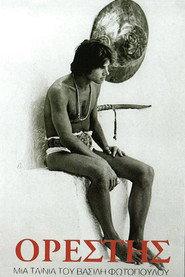
- 1969Ορέστης · Theatre Play
- 1967Le troiane · Original Story
- 1965Medea · Theatre Play
- 1965Thirty-Minute Theatre · dizi · Senaryo
- 1964Dionysus · Hikâye
- 1963Medea · Theatre Play
- 1962Phaedra · Theatre Play
- 1962Ηλέκτρα · Theatre Play
- 1961Le baccanti · Theatre Play
- 1959Medea · Original Story
- 1954Medea · Theatre Play
- —Oh, Medeia! · Original Film Writer